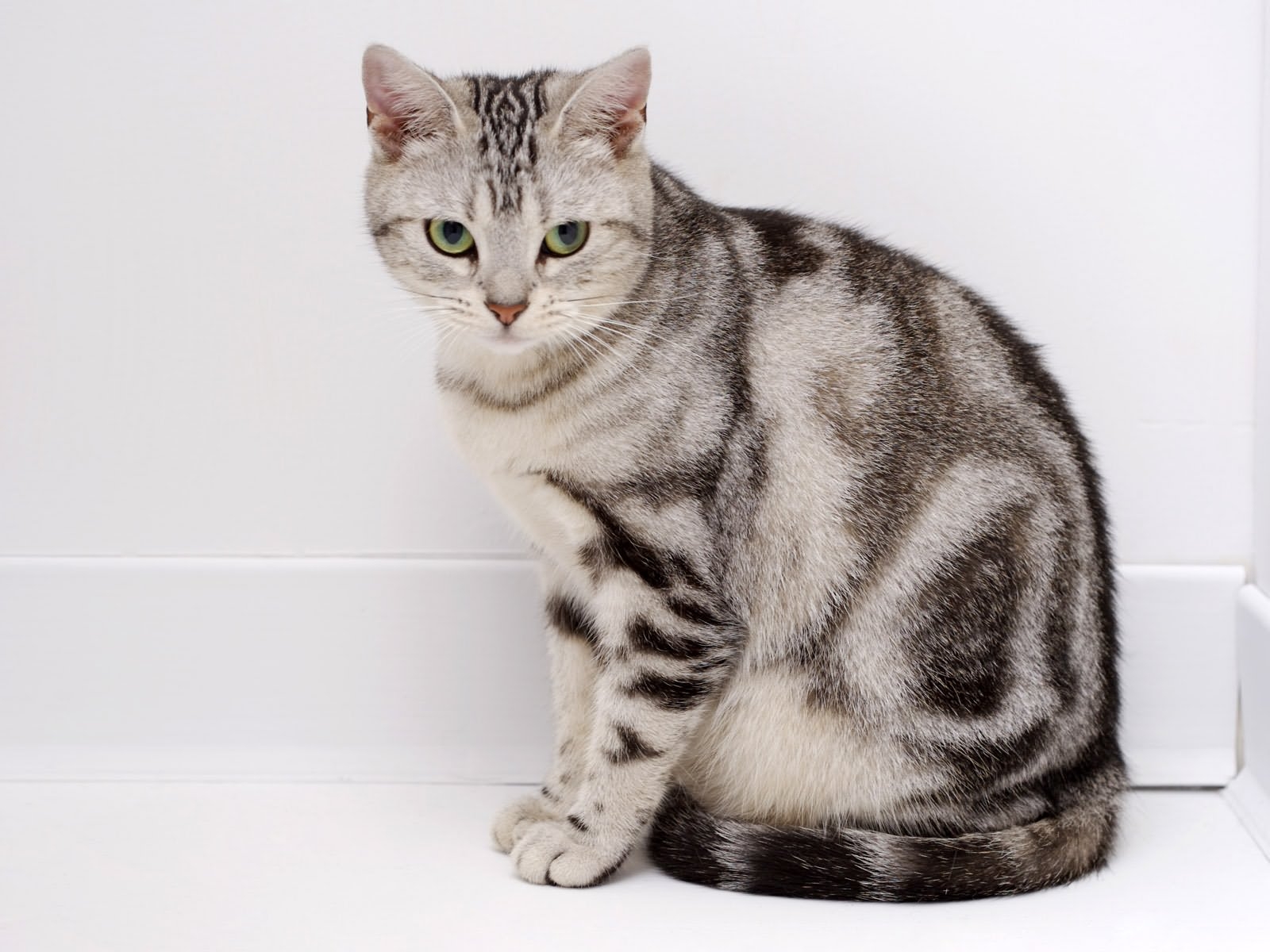
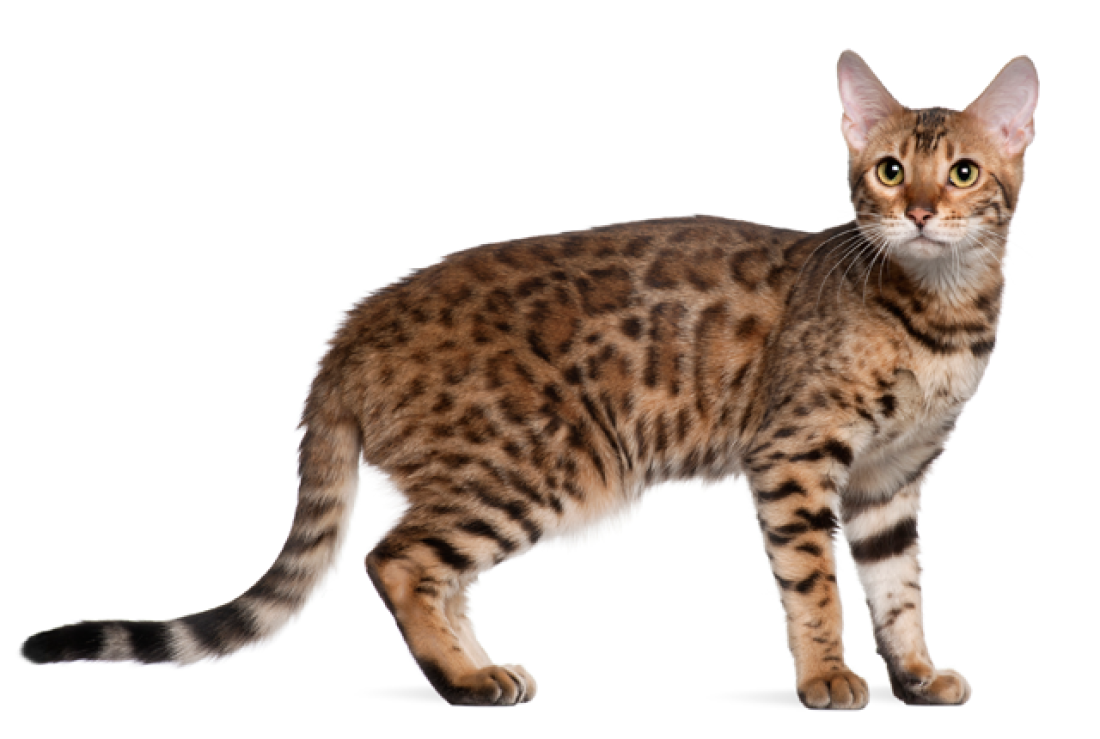
Navigating Senior and New Cat Harmony
Understanding Senior Cat Behaviors
Senior cats often experience a decrease in activity levels, which can be attributed to various factors such as arthritis, decreased vision, and hearing impairments. It is crucial to monitor their daily activities closely. For instance, a senior cat may take longer to reach the food bowl or may exhibit a decrease in playtime, which can be a sign of decreased mobility. Monitoring sleep habits is also essential. Senior cats may require more sleep, with longer naps throughout the day. It is recommended to observe their sleep patterns for any changes, such as difficulty falling asleep or staying asleep. Understanding these changes can help in adjusting the environment and routine to accommodate their needs. For example, providing a comfortable resting area with soft bedding can help alleviate joint discomfort. Additionally, incorporating gentle exercise, such as short walks or gentle play sessions, can help maintain their physical and mental well-being.
Preparation Before Introducing a New Cat
Before introducing a new cat to a senior cat, it is vital to prepare the environment to minimize stress and ensure a smooth transition. Space planning is crucial. Initially, keep the new cat in a separate room, allowing each cat to adjust to the new environment independently. This can be done by feeding each cat in their respective rooms, using the same litter box, and providing separate resting areas. Gradually increase the time spent in shared spaces, starting with short periods of supervised interaction. Resource allocation is also key. Provide ample food and water bowls, litter boxes, and resting areas to prevent competition. It is recommended to have at least one additional litter box than the number of cats in the household. Ensure that each cat has their own food and water bowl, placed in a location that is not shared or contested. It is also advisable to allocate separate resting areas, such as elevated perches or cozy beds, to provide each cat with a personal space. By planning the space and resources effectively, you can create a harmonious environment that supports the well-being of both senior and new cats.
Initial Contact Between Senior and New Cats
The initial contact between a senior and a new cat should be carefully managed to ensure a safe and stress-free introduction. Begin with supervised interactions, allowing the senior cat to observe the new cat without direct physical contact. This can be done by placing the new cat in a carrier next to the senior cat's resting area. Gradually increase the distance between the carrier and the senior cat, allowing for a gradual adjustment. Observe the senior cat's body language closely for signs of stress or aggression. If the senior cat shows signs of discomfort, such as hissing, growling, or retreat, it is important to separate the cats and try again later. The frequency of these supervised interactions should start with short sessions, gradually increasing the duration. It is recommended to monitor these interactions for at least 10-15 minutes at a time, ensuring that both cats have the opportunity to approach and retreat as they feel comfortable. It is also important to provide a safe escape route for the senior cat, such as a hiding spot or a separate room, to allow them to retreat if needed. By carefully managing the initial contact, you can foster a positive relationship between the senior and new cats, setting the stage for a harmonious coexistence.
Adapting Environment and Resource Allocation
To reduce conflicts between cats, it is crucial to create a harmonious environment. Begin by ensuring that each cat has its own resting area, feeding station, and litter box. Position these areas at least 10 feet apart to minimize territorial disputes. Use vertical space by providing scratching posts and climbing towers, which can serve as personal territories for each cat. Distribute food and water bowls strategically, placing them in locations where cats can access them without feeling threatened. Consider using puzzle feeders to encourage foraging behavior, which can reduce the competition for food. Implement a feeding schedule with specific times and amounts to manage resource distribution. For instance, feed adult cats twice daily, ensuring that each meal provides no more than 10% of their daily caloric needs. Monitor the cats' eating habits and adjust portions as necessary. Regularly clean and maintain all feeding and litter areas to prevent the buildup of bacteria and odors that can exacerbate stress and aggression.
Adjusting Daily Care for Senior Cats
Senior cats require specific adjustments to their daily care to maintain their health and well-being. Start by consulting a veterinarian to tailor the senior cat's diet to its age, weight, and health status. For example, cats over 7 years old may benefit from a senior formula with reduced calories and increased fiber. Ensure that the diet is balanced and includes essential nutrients, such as omega-3 fatty acids for joint health. Monitor the senior cat's water intake, as dehydration can be a significant issue in older cats. Provide fresh water at all times and consider using a pet fountain to encourage drinking. Adjust the senior cat's exercise routine to be gentle and consistent. Short, frequent walks or play sessions can help maintain muscle tone and joint flexibility. Incorporate physical therapy exercises recommended by a veterinarian or a certified pet therapist. Regularly check the senior cat's weight and adjust food portions accordingly. Aim for a gradual weight loss of no more than 1-2% of the cat's body weight per week to prevent health complications.
Socialization Training for New Cats
Socialization training is essential for new cats to adapt to a multi-pet family. Begin by allowing the new cat to explore its new surroundings on its own for the first few days. Provide a quiet, comfortable space with a litter box, food, and water. Gradually introduce the new cat to other pets in the home by using a neutral space, such as a bathroom or a separate room. Start with short, supervised interactions, gradually increasing the duration as the cats become more comfortable with each other. Use treats and positive reinforcement to encourage calm behavior. Introduce the new cat to each family member individually, allowing for controlled interactions. Provide separate resources, such as food bowls and resting areas, during the initial phase to reduce competition. Consider using a pheromone diffuser to help ease stress and promote a sense of safety. Monitor the socialization process closely, and if any aggression or stress is observed, separate the cats and reassess the introduction strategy. Aim for consistent and gentle interactions, gradually increasing the complexity of the social interactions over time.
Observation and Intervention Strategies
To effectively observe cat interactions, spend at least 15 minutes daily in a quiet space where cats can be observed without disturbance. Use a checklist to monitor behavior such as body language, vocalizations, and playfulness. Look for signs of stress, such as flattened ears, puffed-up fur, or hiding. If a cat is showing signs of aggression, intervene immediately. Use a spray bottle with water to deter aggressive behavior, ensuring to spray from a distance to avoid causing harm. Provide a safe haven for the stressed cat, such as a separate room or a cat tree. Offer treats to encourage calm behavior. If the aggression persists, consult a professional behaviorist. It's crucial to monitor interactions for at least 2 weeks to ensure that any issues are identified and addressed promptly.
Common Issues and Solutions in Multi-Pet Families
One common issue in multi-pet families is resource guarding, where cats may become possessive of food, water, or litter boxes. To address this, provide multiple resources and ensure they are easily accessible. For example, have two litter boxes and multiple feeding stations. Rotate resources daily to prevent cats from associating a particular area with another cat. If a cat becomes aggressive over a resource, temporarily remove the item and reintroduce it after a period of 10-15 minutes. Another issue is competition for attention, which can lead to increased stress. Spend equal time with each cat and use different toys to prevent jealousy. If a cat becomes overly aggressive, create a routine of 10-minute one-on-one play sessions. It's important to address these issues within the first 30 days to prevent long-term negative behaviors.
Maintaining Long-Term Harmonious Coexistence
To maintain long-term harmony, establish a routine that includes daily interactions and care. Schedule regular playtimes to ensure each cat receives attention. Aim for at least 20 minutes of interactive play per day. Provide separate resting areas for each cat to reduce competition for space. It's important to monitor the health and well-being of each cat regularly, checking for changes in eating, drinking, and bathroom habits. Implement a daily feeding routine to prevent resource guarding and ensure each cat receives proper nutrition. Schedule routine veterinary check-ups for all pets to detect and address any health issues early. Regularly assess the harmony in the household, looking for signs of stress or aggression, and adjust strategies as needed. Aim to maintain a consistent environment to reduce stress and promote a sense of security for all pets.
Case Studies for Successful Integration
In a study conducted over a period of six months, three multi-pet households were observed to understand the challenges and triumphs of integrating senior cats with newcomers. In the first household, a 12-year-old cat named Whiskers was introduced to a 6-month-old kitten named Paws. The study revealed that by dedicating 30 minutes of playtime daily, using a laser pointer to engage Whiskers, and providing a separate food bowl for the kitten, the two cats developed a mutual respect. The second household, featuring a 15-year-old cat named Bella and a 3-month-old kitten named Luna, faced initial aggression. However, by creating a quiet space for Bella to retreat to, and gradually increasing the time they spent together, the household achieved harmony within two weeks. The third case involved a 10-year-old cat named Max and a 1-year-old kitten named Daisy. By implementing a feeding routine that involved feeding them in separate rooms and gradually reducing the distance between their food bowls, the cats learned to coexist peacefully. These case studies highlight the importance of patience, consistency, and tailored approaches to integrating senior cats with newcomers.