British Shorthair: Characteristics and Care for the Round Blue Cat
A Breed With a Complicated Rebuild
The British Shorthair descends from the working cats that the Romans brought to Britain, which interbred with native cats over centuries to produce a sturdy, dense-coated, self-sufficient mouser. When cat shows began in the late nineteenth century, this native cat was among the first breeds formally recognised, and the early fanciers set to work standardising it.
Then the breed nearly disappeared. The First World War and the Second, and the influenza pandemic in between, reduced the population so severely that the remaining gene pool was too small to continue. Breeders rebuilt the British Shorthair by outcrossing to Persians—and that is not a historical footnote. It is the origin of several of the breed's present-day health concerns, including the polycystic kidney disease discussed below, and it explains why the British Shorthair's personality is calmer and less active than its sturdy, outdoor ancestry would suggest.
The Structure Behind the Appearance
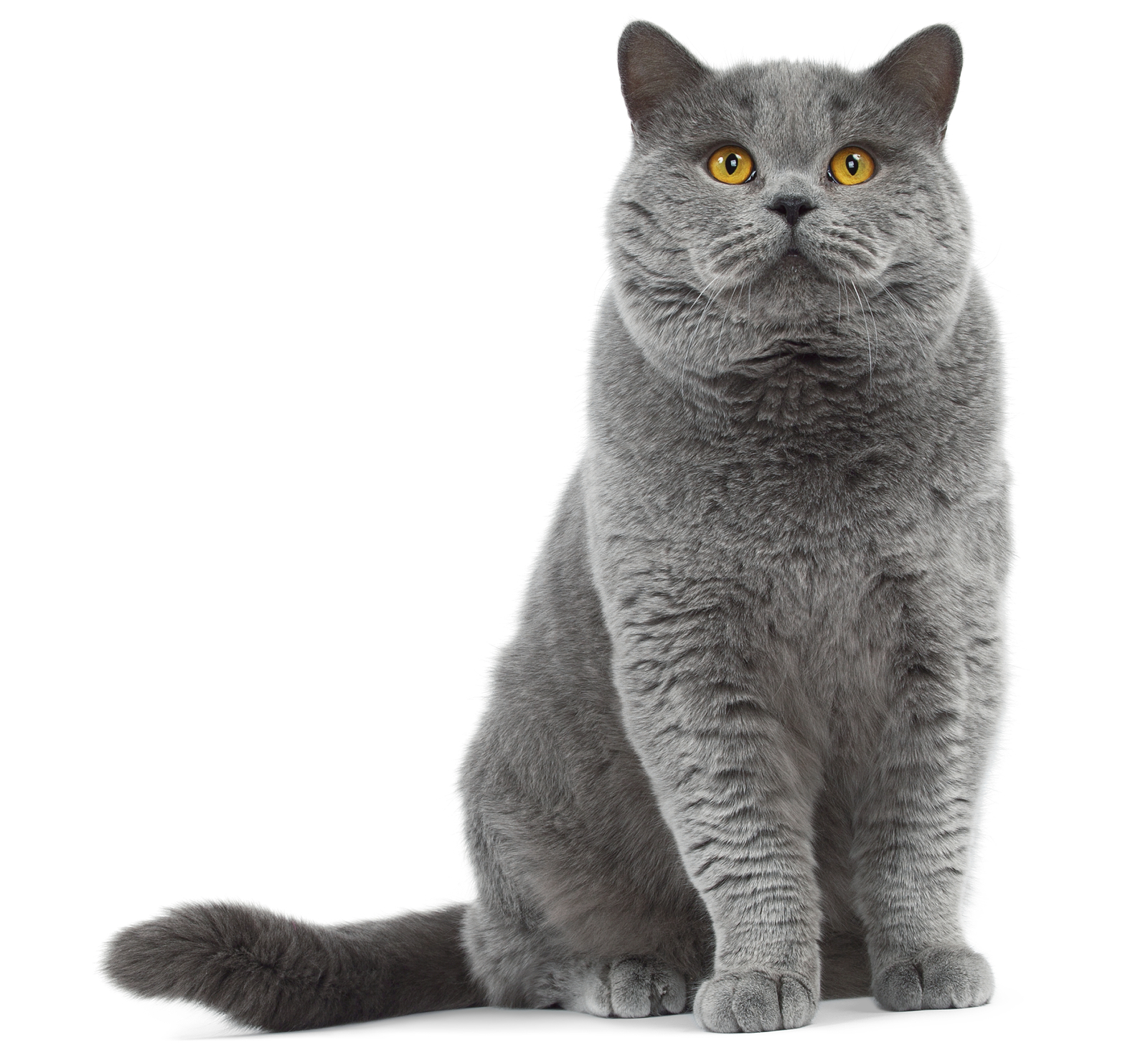
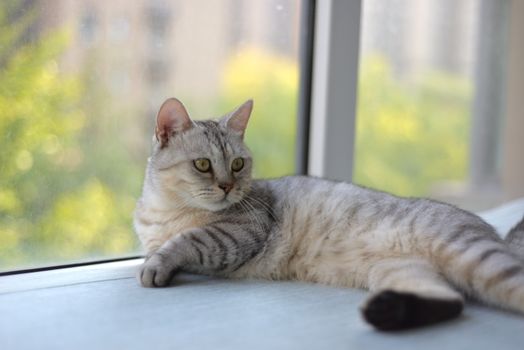
The defining quality of the breed is roundness: a round head, round eyes, full cheeks, short nose, thick neck, broad chest, and sturdy limbs ending in compact paws. Males typically weigh 5 to 8 kg and females 3.5 to 5.5 kg, with the breed maturing slowly—many cats do not reach full size until three years of age. The classic colour is blue-grey, but the breed is recognised in a wide range of colours and patterns.
The coat is short but genuinely double—a dense, plush topcoat over a thick undercoat, which gives the breed its characteristic stand-away texture like a soft toy. That double layer is important for two reasons. It sheds more than a single short coat suggests, and it traps heat, which matters for a cat already prone to carrying extra weight.
Temperament: Not a Lap Cat, Despite the Appearance
The rounded face and soft coat lead people to expect a cuddly companion. The reality is different and worth stating plainly: the British Shorthair is typically calm, quiet, independent, and undemonstrative. It enjoys proximity more than contact, and many individuals actively dislike being picked up or held. They are affectionate on their own terms—following a person from room to room, settling nearby—rather than seeking to be carried. They are reserved with strangers and rarely vocal.
They are also notably inactive. This is the trait most likely to cause a problem, because a cat with low energy and a thick coat is a cat that gains weight easily.
Care: The Five Things That Actually Matter
Coat. Despite being short-haired, the dense double coat benefits from brushing two to three times a week, and daily during the moulting seasons. Regular grooming removes loose undercoat, reduces the amount of hair swallowed, and lowers the frequency of hairballs. Skin folds around the face should be checked and wiped occasionally, since the breed's rounded structure can trap moisture and debris.
Weight. This is the breed's single biggest health risk. British Shorthairs are highly food-motivated, low-activity, and often generously built to begin with, and owners routinely mistake a fat cat for simply a large one. The practical fix is measurement rather than estimation: weigh the cat monthly, feed measured portions on a schedule rather than free-feeding, and assess body condition by feeling for the ribs. A cat should have ribs that are easy to feel under a thin layer of fat and a visible waist when viewed from above. Reaching target weight usually requires specific feeding adjustments rather than simply cutting the bowl in half, and it is far easier to prevent than to reverse.
Dental care. The breed's short jaw and broad head can mean crowded teeth, and periodontal disease is common in cats generally. Weekly brushing is the standard recommendation, though most cats need gradual introduction to tolerate it. Annual veterinary dental assessment will catch problems that are invisible from the outside—significant dental disease can develop with no obvious signs at home other than reduced interest in hard food.
Urinary health. Overweight, relatively inactive cats with low water intake are the classic profile for feline lower urinary tract disease. The countermeasures are unglamorous and effective: multiple water sources including a fountain, wet food as a substantial part of the diet, clean trays in quiet locations, and prompt investigation of repeated litter tray visits, straining, or blood in the urine.
Eyes and face. The large round eyes and shortened muzzle mean the tear drainage system can be less efficient than in a longer-faced cat, so tear staining and overflow are common. Gently wiping the area with a damp cloth is usually sufficient; persistent discharge, squinting, or redness calls for a veterinary check rather than continued cleaning.
Health Conditions Worth Screening For
Hypertrophic cardiomyopathy (HCM) is the most significant inherited condition in the breed, involving thickening of the heart muscle that can progress to heart failure or sudden death. British Shorthairs are among the breeds with elevated prevalence, and because a cat can carry the disease without outward signs for years, screening by echocardiogram by a veterinary cardiologist is the standard approach for breeding animals and worth considering for any cat whose parentage is known.
Polycystic kidney disease (PKD) was introduced through the Persian outcross that saved the breed. It causes fluid-filled cysts to form in the kidneys, gradually destroying functional tissue and leading to chronic kidney disease. A DNA test is available and inexpensive, which means it is entirely avoidable in a carefully bred cat—but it remains present in the wider population, so asking about it is reasonable.
Blood type. The breed has a relatively high proportion of type B cats, which carries two implications. Blood typing should be done before any transfusion, and breeding between a type B queen and a type A tom risks neonatal isoerythrolysis, a condition in which the mother's antibodies destroy the kittens' red blood cells. This is entirely preventable with typing and has no symptoms to watch for in advance.
Because the breed's long coat ancestry persists in the undercoat, hairballs are also a routine concern and respond to grooming frequency, hydration, and dietary fibre.
Living With a British Shorthair
The breed's appeal is quiet and reliable rather than demonstrative. It suits people who want a companion present in the room rather than on their lap, who keep a predictable household, and who want a cat that copes calmly with being left during a working day. It suits apartments well. It does not suit owners who want an interactive, playful, constantly-present cat, or anyone unprepared to actively manage food intake for the cat's entire life—because left to its own preferences, this is a breed that will eat its way into the problems listed above.
Conclusion
The British Shorthair is a storied breed with a genuinely difficult history, and that history is visible in its health profile today. Its care requirements are modest but specific: manage weight deliberately, groom a dense coat regularly, screen for cardiac and renal disease, and understand that the plush, round appearance conceals an independent cat rather than a cuddly one. Owners who accept those terms get one of the most easygoing and robust cats available.
Frequently Asked Questions
Do British Shorthairs like being held?
Many do not. The breed is typically affectionate on its own terms, following a person from room to room and settling nearby, rather than seeking to be carried, and a substantial number actively dislike being picked up. This surprises owners who expect a plush toy.
What health problems are British Shorthairs prone to?
Hypertrophic cardiomyopathy is the most significant inherited condition, and the breed has an elevated prevalence, which is why echocardiographic screening is standard practice. Polycystic kidney disease was introduced through the Persian outcross that saved the breed and has an inexpensive DNA test. The breed also has a relatively high proportion of type B blood.
How much should a British Shorthair weigh?
Males typically weigh 5 to 8 kg and females 3.5 to 5.5 kg, with full size reached around three years of age. Weight is the breed's biggest health risk: assess body condition by feeling for the ribs rather than judging by appearance, and feed measured portions on a schedule instead of free-feeding.
How often should a British Shorthair be groomed?
Two to three times a week, and daily during the moulting seasons. The coat is short but genuinely double, so it sheds considerably more than its length suggests, and regular grooming removes the loose undercoat that would otherwise be swallowed and form hairballs.
Is a British Shorthair a good apartment cat?
Yes. The breed is quiet, low-activity, rarely vocal, and copes well with a predictable household and a working day alone, which suits apartment living. The one condition is food management, because its low energy and high food motivation make weight gain the main risk.