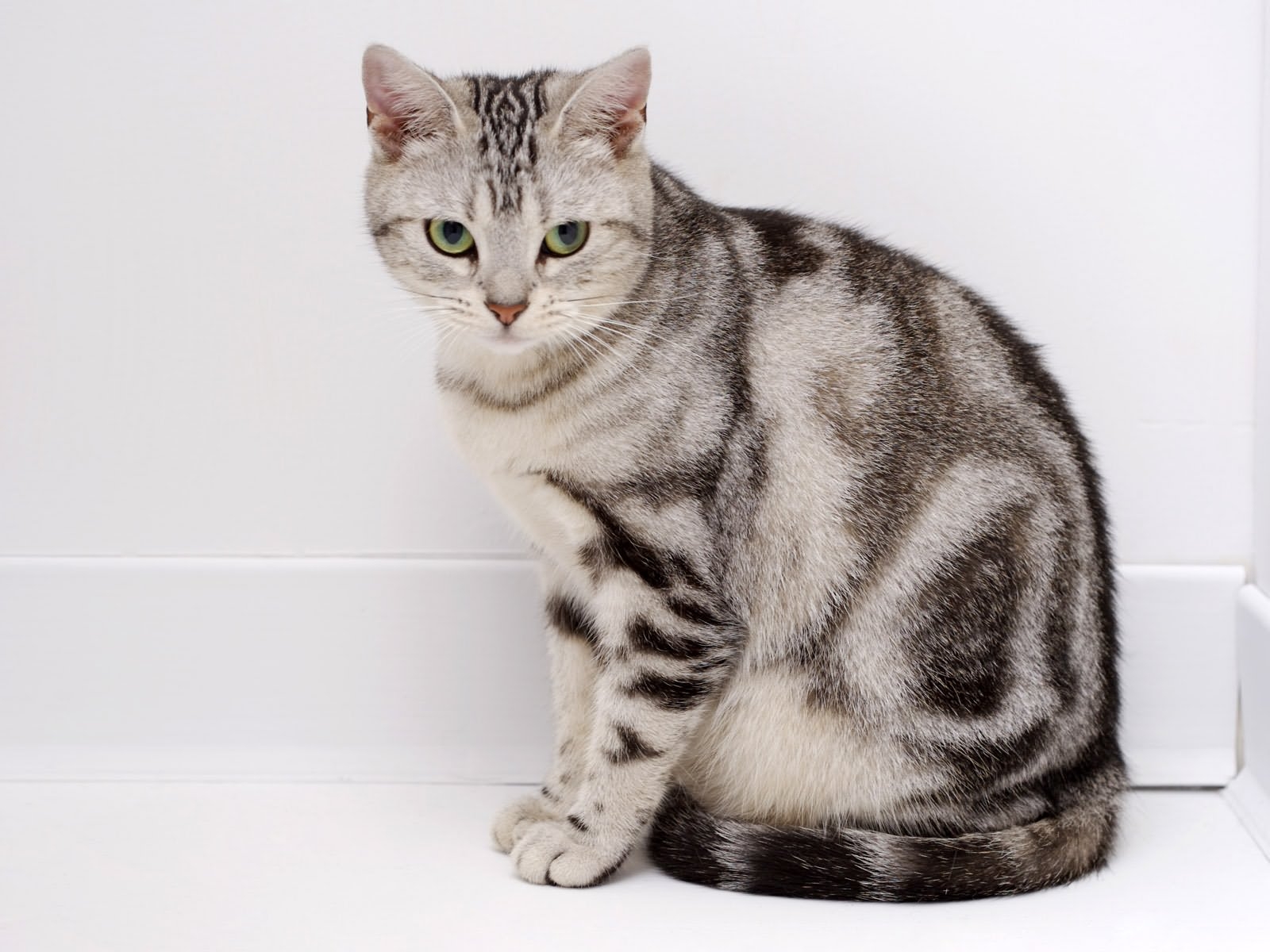
Balancing Positive Reinforcement & Punishment in Cat Training
Understanding Positive Reinforcement
Positive reinforcement in cat training involves rewarding a cat for desired behaviors to encourage their repetition. This concept is based on operant conditioning, where a behavior is strengthened by a consequence that follows it. Rewards can be in the form of treats, playtime, or praise. To effectively apply positive reinforcement, it's crucial to understand the principles. Consistency is key; rewards should be given immediately after the desired behavior to ensure the cat connects the action with the reward. The frequency of rewards should be moderate; too many rewards can lead to satiety, while too few may not reinforce the behavior adequately. For example, a treat should be given within 1 to 2 seconds of the cat performing a desired action, and playtime should be short but frequent, around 5 to 10 minutes, several times a day.
Appropriate Use and Limitations of Punishment
Punishment should be used sparingly in cat training as it can lead to negative emotional responses and counterproductive behaviors. When punishment is necessary, it should be immediate, consistent, and non-punitive. Immediate punishment ensures the cat understands the behavior that is unacceptable. Consistency is vital to prevent confusion; the same behavior should always result in the same consequence. Non-punitive methods include redirection, where the cat is gently guided away from an unwanted behavior, or ignoring the behavior if it is not dangerous or harmful. It's important to avoid physical punishment, as it can cause fear and aggression. Timing is crucial; punishment should occur within 5 seconds of the unwanted behavior to be effective. For example, if a cat scratches furniture, gently say 'no' and redirect its attention to a scratching post immediately.
Finding the Balance Point
Finding the balance point in cat training involves a careful assessment of the cat's behavior and adjusting the ratio of positive reinforcement and punishment accordingly. The general guideline is a 5:1 ratio of positive reinforcement to punishment, meaning for every instance of punishment, there should be five instances of positive reinforcement. This ratio helps maintain a positive learning environment. For cats that are sensitive to punishment, the ratio may need to be even higher, such as 10:1 or 15:1. It's important to observe the cat's response to determine the optimal balance. If the cat shows signs of stress or aggression, reduce the frequency of punishment and increase positive reinforcement. For example, if a cat is shy and becomes anxious with punishment, increase the amount of treats and praise and decrease the instances of punishment, even to the point of completely removing punishment and focusing solely on positive reinforcement.
Applying Positive Reinforcement in Specific Behaviors
Positive reinforcement is a powerful tool in cat training, particularly for specific behaviors. Clicker training is a popular method that involves associating a specific sound, like a clicker, with a desired behavior. The clicker signals to the cat that it has performed the correct action. Immediately following the click, a treat is given to reinforce the behavior. For example, if you want to teach your cat to sit, you would click and offer a treat every time the cat sits down. It's crucial to ensure the timing is precise, as the click should occur within 0.5 seconds of the desired behavior. Treat rewards should be high-value and small to avoid overfeeding. Gradually, the frequency of treats can be reduced as the cat becomes more proficient in the behavior.
Common Misconceptions and Risks of Punishment
Misconceptions about punishment in cat training can lead to ineffective and harmful practices. One common misconception is the use of corporal punishment, which involves physical force. This method can cause fear, anxiety, and aggression in cats. Another misconception is ongoing punishment, where a cat is repeatedly disciplined for the same behavior. This can lead to a cycle of fear and resentment. The potential risks of punishment include increased stress, changes in behavior, and even physical harm. It's important to understand that punishment does not teach the cat what to do instead; it only teaches it to avoid the punishment. Effective training should focus on positive methods that teach the cat appropriate behaviors.
Alternating Use of Positive Reinforcement and Punishment
Alternating between positive reinforcement and punishment is a delicate balance in cat training. While punishment should be used sparingly, it can be effective in certain situations, such as when a cat is engaging in dangerous or harmful behaviors. The key is to use punishment as a last resort and only when the cat is in a state of awareness. For example, if a cat is scratching furniture, a firm 'no' followed by a redirection to a scratching post can be effective. It's important to follow up with positive reinforcement to counteract any negative feelings the cat may have. The ratio of positive reinforcement to punishment should be maintained, even when using punishment. For instance, after one instance of punishment, five instances of positive reinforcement should be provided. This helps to maintain a positive learning environment and reinforces the desired behaviors.
Considering Individual Differences in Cats
Cats, like all pets, exhibit a wide range of individual differences in their responses to training methods. It is crucial to recognize these differences when designing a training strategy. For instance, some cats may be more sensitive to punishment, while others may not respond well to positive reinforcement. To adjust training strategies accordingly, consider the following: observe a cat's reaction to a 'no' command, and if it appears stressed or fearful, it may be more receptive to positive reinforcement. Conversely, if a cat is not deterred by a 'no', punishment might be more effective. However, use punishment sparingly, offering a positive reinforcement immediately afterward to reinforce the desired behavior. For example, if a cat is climbing furniture, a firm 'no' and redirection to a designated climbing area should be followed by a treat to encourage the new behavior. It is essential to monitor the cat's body language throughout the training process, adjusting the ratio of positive reinforcement to punishment as needed.
Preparing Training Environment and Resources
The training environment plays a pivotal role in the success of cat training. To create a suitable training area, select a quiet space free from distractions and potential hazards. This area should be large enough to allow for a variety of training exercises. Essential resources include a scratching post, a litter box, and treats. Position the scratching post in a location where the cat is likely to use it, such as near the furniture it has been scratching. Ensure the litter box is easily accessible and well-maintained. Treats should be chosen based on the cat's preferences, with a focus on high-value treats that elicit a strong response. When introducing a new training tool or resource, do so gradually to allow the cat to become accustomed to it. For instance, place the scratching post in the training area and encourage the cat to use it through positive reinforcement. Regularly inspect and clean the training area, ensuring it remains a comfortable and inviting space for the cat.
Observing and Adjusting During Training
Observation is key to effective cat training. Pay close attention to the cat's behavior during training sessions, as this will provide valuable insights into its progress and needs. Look for signs of stress, such as flattened ears, a tucked tail, or hiding. If these signs are present, it may be necessary to adjust the training methods. For example, if a cat is showing signs of stress during a training session, try a shorter, more relaxed session with a focus on positive reinforcement. It is also important to note the frequency and duration of the cat's responses to training methods. If a cat does not respond to a 'no' command, consider increasing the volume or clarity of the command. If a cat is not engaging with the training environment or resources, it may be helpful to change the location or introduce new elements. For instance, if the cat is not using the scratching post, try placing it in different areas of the home or adding different textures to the post. Regularly review the training plan, making adjustments as needed based on the cat's behavior and progress. This iterative process ensures that the training remains effective and tailored to the individual cat's needs.
Consolidating and Maintaining Training Results
To consolidate training results and maintain good behavior habits in cats, it is essential to implement a consistent routine. Begin by reinforcing the trained behavior immediately after it occurs, using treats or praise within seconds. This helps the cat associate the reward with the desired action. For instance, if a cat uses the litter box, immediately offer a small treat or a pat on the head. Consistency is key; if the behavior is not reinforced immediately, the cat may become confused about the connection between the action and the reward.
Establish a daily training schedule to reinforce the learned behaviors. Aim for short, frequent sessions, such as two to three 5-minute sessions per day. This helps keep the cat engaged and attentive. During these sessions, focus on a single behavior at a time to avoid overwhelming the cat. For example, if you are training the cat to sit, dedicate the entire session to this command.
To maintain the training, gradually reduce the frequency of rewards. After the cat consistently performs the desired behavior, phase out the treats and rely more on verbal praise and affection. This helps the cat internalize the behavior as a part of its routine. For instance, after a few weeks of consistent training, you can start rewarding the cat with treats every other session, eventually phasing out treats entirely.
Monitor the cat's behavior regularly to ensure the training is effective. Observe if the cat continues to perform the trained behavior without prompts. If the behavior starts to decline, reintroduce the training sessions and rewards gradually. It is important to be patient and persistent, as it may take several weeks to a few months for a cat to fully internalize a new behavior.
In addition to daily training, create a consistent environment that reinforces the trained behaviors. Use the same commands and cues consistently across different settings. This helps the cat understand that the behavior is expected regardless of where it is. For example, if you teach the cat to sit before entering the kitchen, use the same command every time you enter the kitchen, regardless of whether you are about to feed the cat or not.
Regularly review and adjust the training plan based on the cat's progress. If the cat is struggling with a particular behavior, consider breaking it down into smaller, more manageable steps. For example, if the cat is having trouble with the 'stay' command, start by teaching it to stay for a few seconds and gradually increase the duration.
Remember, the goal is to create a positive and rewarding training experience for the cat. Avoid using punishment as it can lead to negative associations and worsen the cat's behavior. Instead, focus on positive reinforcement and patience, which are more effective in long-term behavior modification.